In the 1990s, I worked for Golf Digest, and I marketed the company’s golf schools and events. We certainly weren’t chasing clicks or optimizing social media campaigns in those early days of the internet. Instead, we were bringing golfers together. We built communities around a shared passion, creating experiences that deepened people’s connection to the Golf Digest brand.
Three decades later, marketers have an unprecedented ability to reach consumers digitally. Yet as Gen Z embraces digital wellness and seeks more intentional offline experiences, I can’t help but wonder if we’re coming full circle.
The Trend: Digital Natives Seeking Balance
A new trend is on the rise, and Gen Zs are using their smartphones to find ways to get off their smartphones. According to a July 2026 Vogue Business article, Pinterest users are turning to the platform to research offline activities. Says Pinterest chief business officer Lee Brown, “After some digging, they’re wanting to recreate the hobbies and parties they’ve pinned and collected online. More and more — and especially among Gen Z — we’re valuing in-person, meaningful experiences; less doomscrolling, more doing.” Brown says Pinterest searches for phone-free ideas are up 113%.
On TikTok, posts tagged #AnalogLife were up over 330% in 2025 vs 2024, and “stop-scrolling bags” packed with analog activities like watercolors and crossword puzzles became a must-have accessory.
It’s a digital detox boom, says Axios. Phone-free bars, restaurants, and entertainment experiences are on the rise while cellphone pouches are becoming an essential item at weddings, proms, and retreats.
This doesn’t mean Gen Z and younger millennials are abandoning tech. They’re still the most connected generations in history. But many are becoming more intentional about when and how they engage with it.
What Does This Mean for Marketers?
If this shift toward digital wellness continues, it won’t require marketers to abandon digital channels. It may, however, require us to rethink what effective marketing looks like. Here are three ways I believe this trend could reshape brand strategy.
1. Experiences will matter even more.
Consumers don’t just remember advertising; they remember experiences. Ask someone who attended a Today at Apple workshop, a Red Bull Flugtag, or a Lululemon World Mental Health Day event what they remember most. Chances are they’ll describe the experience—not the advertising that brought them there.
Back in my Golf Digest days, long before marketers talked about “experiential marketing” as the next big thing, we understood this fundamental concept.
People remember what they do more vividly than what they see.
2. Community may become more valuable than reach.
Over the past 10+ years, we marketers were laser-focused on metrics like impressions, clicks, and followers. Today, brands should ask themselves if those are the metrics that still matter most. Perhaps the next competitive advantage isn’t reach—it’s brand community. Great brands have always fostered a sense of identity and belonging. People don’t just buy from brands like Nike, Lululemon, or LEGO; they participate in communities built around them.
3. Digital becomes the invitation—not the destination.
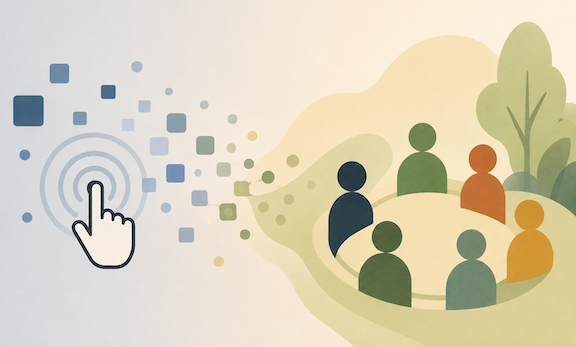
Digital channels aren’t going away. Instead, they should become the gateway to events and experiences. Rather than asking, “How do we keep people online longer?” marketers might ask, “How can digital help people discover experiences they’ll remember offline?” Social media, email, and mobile apps become invitations to participate—not destinations in themselves.
Conclusion
If Gen Z’s #Analoglife movement continues to gain momentum, the brands that thrive won’t necessarily be those with the loudest digital presence. They’ll be the ones that create experiences, relationships, and communities worth returning to—online and off.
Image at top generated by ChatGPT